Piriformis Muscle (Location & Anatomy)

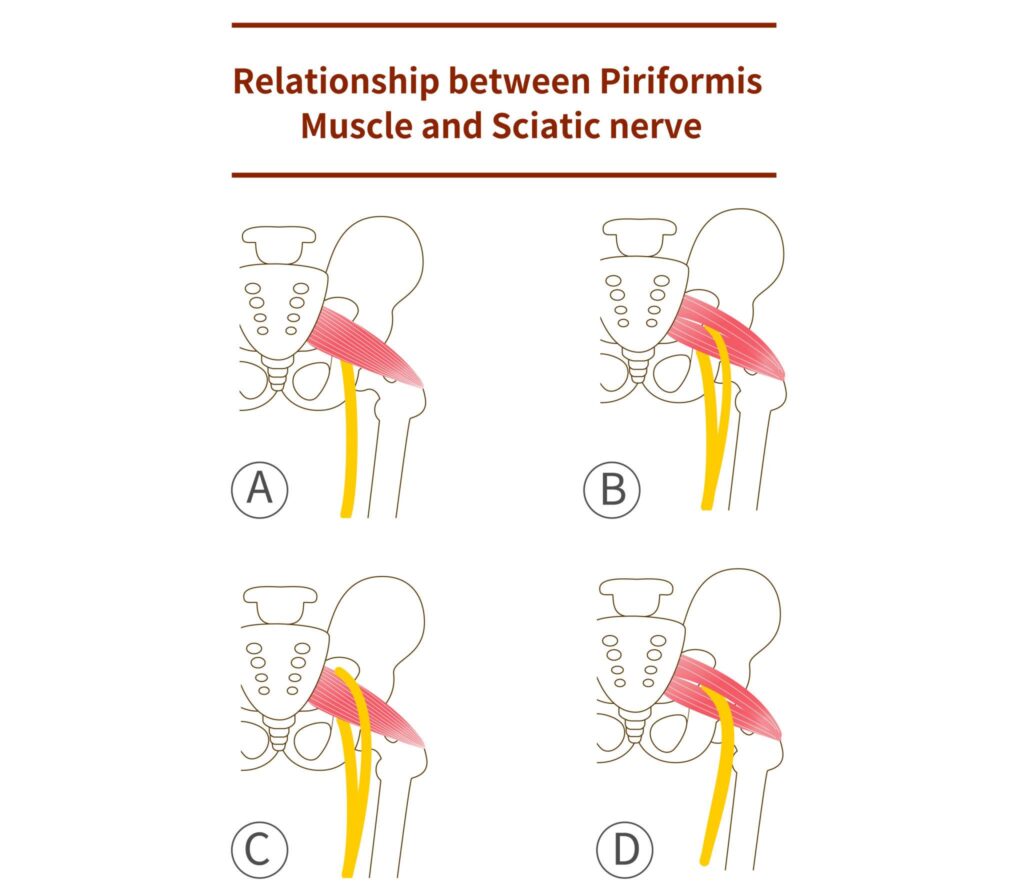
The piriformis muscle is a small, pear-shaped muscle located deep in the buttock, behind the hip joint. It originates from the sacrum and attaches to the top of the femur. Its primary functions are to externally rotate the hip, assist with hip abduction when the hip is flexed, and stabilize the pelvis during walking and standing. Despite its small size, the piriformis plays a crucial role in lower-body movement and balance.

Piriformis syndrome occurs when this muscle becomes tight, inflamed, or spasms, leading to compression or irritation of the sciatic nerve. Because the sciatic nerve runs beneath — and in some individuals, through — the piriformis muscle, dysfunction can cause symptoms similar to sciatica. These symptoms typically include deep buttock pain, tenderness, and radiating pain, tingling, or numbness down the back of the thigh. Prolonged sitting, climbing stairs, or repetitive activities like running can aggravate the condition.
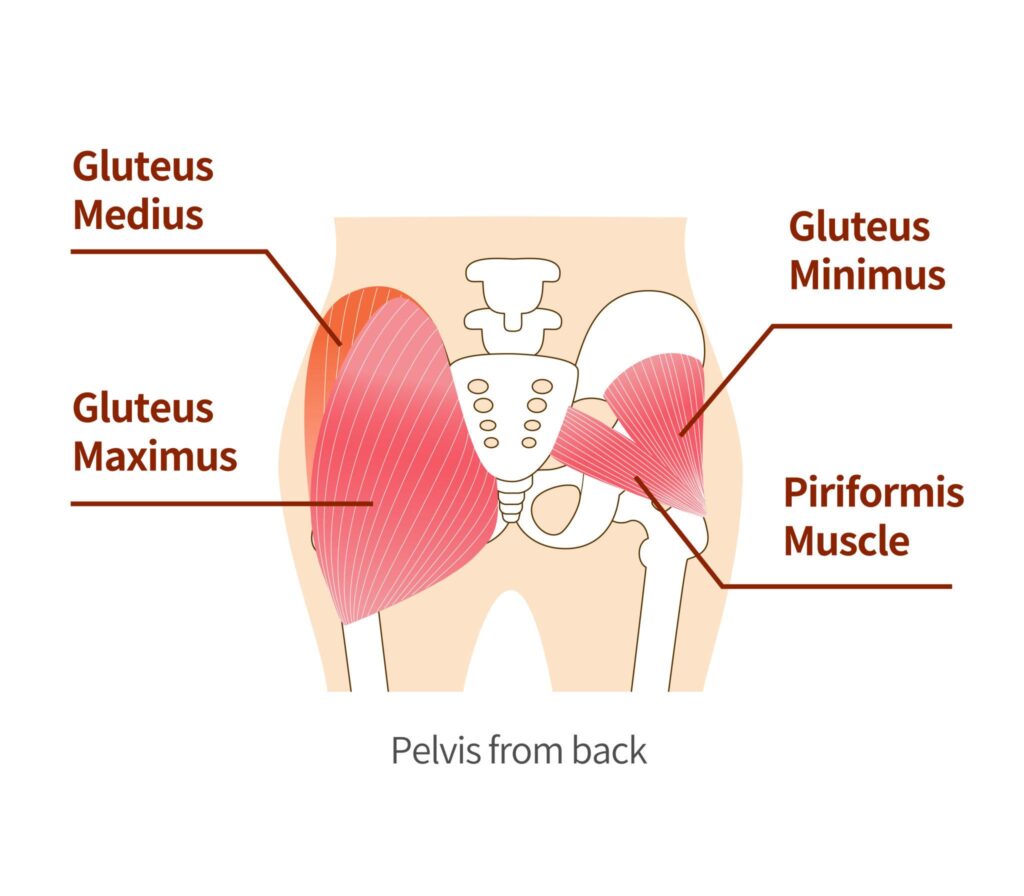

Contributing factors include muscle overuse, prolonged sitting, trauma, poor biomechanics, and weakness of surrounding hip stabilizers. Diagnosis is mainly clinical, based on symptoms and physical examination, while ruling out lumbar spine disorders.

Medical yoga can be particularly beneficial in managing piriformis syndrome. Therapeutic yoga focuses on gentle stretching, hip-opening postures, and strengthening of the gluteal and core muscles. Controlled breathing techniques help reduce muscle tension and improve circulation. Regular, guided practice can decrease inflammation, enhance flexibility, correct muscular imbalances, and support long-term recovery while reducing recurrence risk.

You can experience the magic of medical yoga therapy at comfort of your home. Download the Synergy Medical Yoga app and book an experience visit ( Search for Synergy MYT on the app store or play store or Scan the QR codes below )