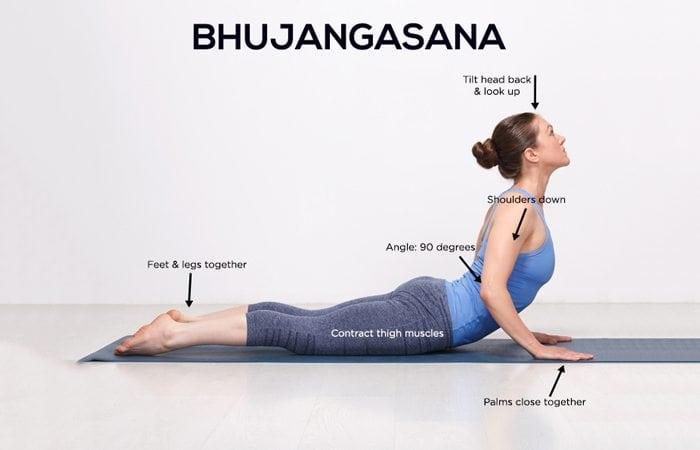

Forward bending and Lumbar spondylosis:
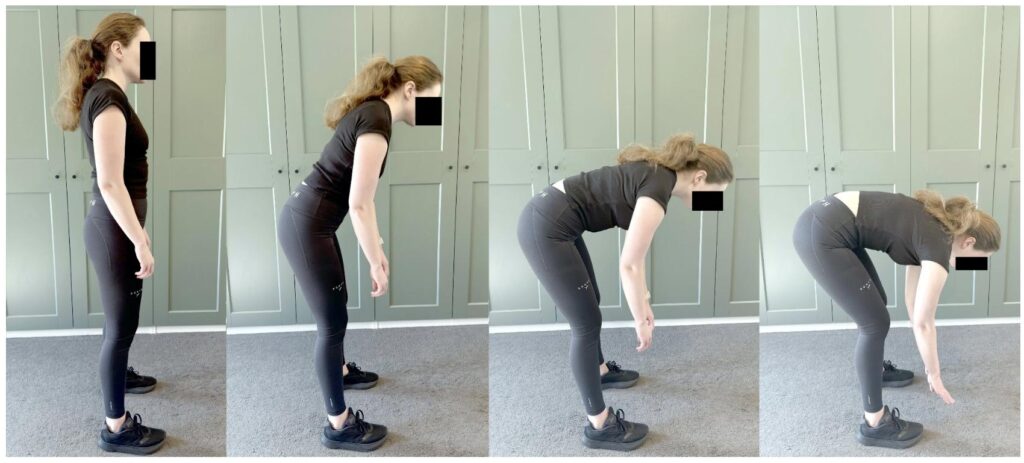
Bending forward (lumbar flexion) is generally contraindicated in cases of lumbar spondylosis because it significantly increases the pressure on the already degenerated spinal discs and can worsen nerve compression. As the spine ages and degenerates, forward bending gives an additional stress on the front of the vertebrae and can cause the discs to bulge backward, increasing the risk of herniation and irritating nerves.
Here’s why forward bending problematic in lumbar spondylosis:
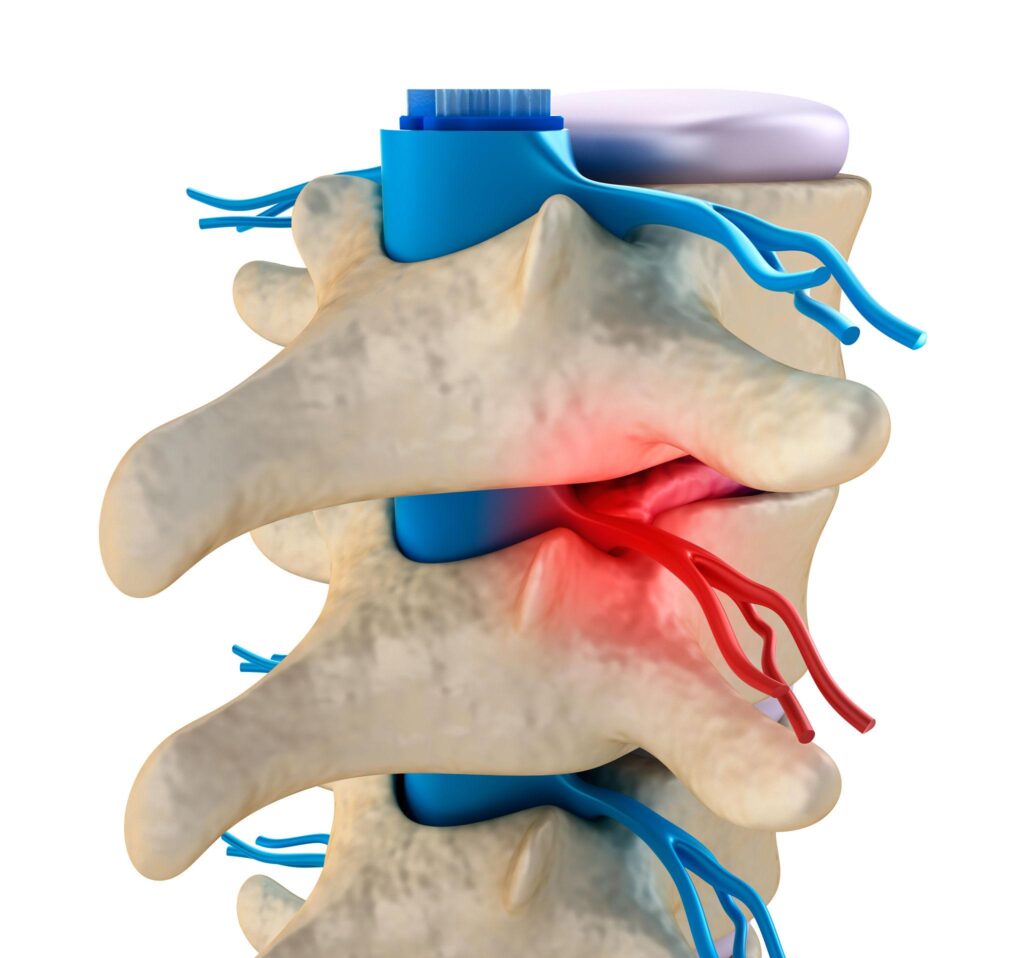
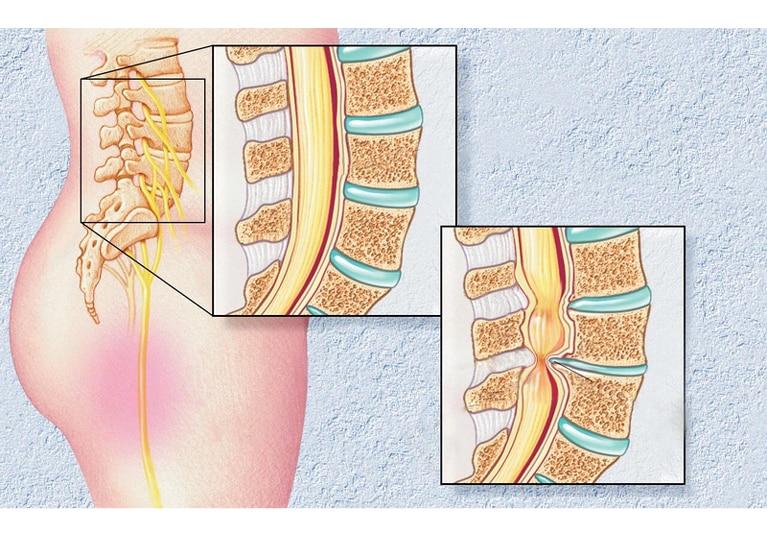
Worsens nerve compression: In spondylosis, the spine often develops disc herniation, bone spurs or facet joint
degeneration which narrows the spinal canal. Bending forward can aggravate this narrowing, putting pressure on nerve roots and resulting in radiating leg pain or numbness(radiculopathy).
Ligament strain: The ligaments on the posterior side of the spine are already under stress in a degenerative spine. Repeated forward bending stretches these ligaments causing them to weaken and leading to instability.
Muscle fatigue and spasms: Prolonged or repeated flexion causes the muscles of the lower back to work harder to support the spine, leading to fatigue and muscle spasms.
Alternatives for protection:
Stay active with gentle exercises.
Bend with knees: when picking up objects, bend the knees and hips, not the back
Avoid heavy lifting: Heavy lifting puts intense pressure on the lower back leading to further deterioration of the spine.
Avoid constipation.
Exercise wisely to strengthen the core
Use proper lifting techniques
Download The Synergy Medical Yoga App
You can experience the magic of medical yoga therapy at comfort of your home. Download the Synergy Medical Yoga app and book an experience visit ( Search for Synergy MYT on the app store or play store or Scan the QR codes below )